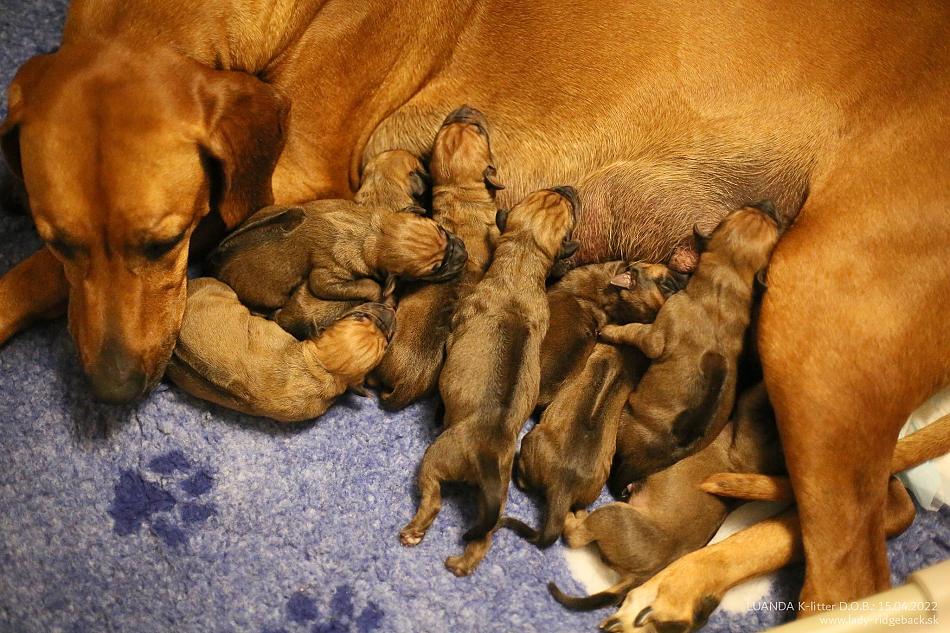
How to recognise a responsible breeder and avoid puppy sellers or backyard breeders
Also available:
Hits: 342
RESPONSIBLE BREEDER
Is devoted to one breed and approaches breeding with long-term commitment, knowledge, love for the breed, and a strong sense of responsibility.
Operates a properly registered breeding establishment, has an assigned registration number, and breeds puppies under an officially registered kennel name.
Is actively involved in dog shows and breeding, with the aim of preserving, protecting, and improving the quality of the breed.
Carefully selects future owners and asks thoughtful questions to ensure that each puppy is placed in a suitable and loving home.
Chooses breeding dogs of high quality that achieve excellent results at dog shows, have been repeatedly evaluated by multiple judges in different countries, and have earned top placements.
Provides written information about the puppy’s health and temperament and enters into a proper contract with the new owner.
Never allows a puppy to leave for a new home before 7–8 weeks of age and prefers to meet prospective owners in person, either at home or at the kennel.
Is willing to take responsibility for every puppy bred and, if necessary, is prepared to take the puppy back should unexpected circumstances arise.
Properly registers puppies through the relevant national kennel organisation affiliated with the FCI, meaning that each puppy comes with an official pedigree.
Provides complete documentation of vaccinations and deworming in a valid official document, usually a pet passport or vaccination record.
PUPPY DEALER
Often offers several breeds for sale, with puppy sales serving primarily as a source of income.
Breeding is typically focused more on quantity than on quality, without a genuine commitment to the long-term preservation and responsible development of the breed.
May dismiss the importance of dog shows and professional evaluation, or claim that shows are unnecessary. However, dog shows provide expert conformation assessment, which forms an important part of responsible breeding. Common explanations may include the cost of showing, lack of opportunity to attend, or the view that shows are not meaningful.
The parents of the puppies often have not undergone the recommended health and genetic testing. While a dog may be only a carrier and not clinically affected, breeding two untested dogs can result in puppies with a genetic predisposition to disease. Proper health testing also requires time, care, and financial commitment.
Even if the parents have pedigrees, they are often not officially approved for breeding by the breed club overseeing the breed in the breeder’s country of residence, because they do not meet the required breeding standards, whether in terms of health, conformation, or both.
The dogs producing the litter may not have undergone proper expert assessment of their suitability for breeding.
Shows little interest in whether prospective owners and their lifestyle are truly suitable for the breed.
Often relies mainly on verbal promises and unclear guarantees.
May place puppies far too early, sometimes even at 4–5 weeks of age while claiming they are older, and may prefer to meet buyers in public places rather than showing the environment in which the puppy was raised.
If unexpected circumstances arise in the puppy’s new home, is often unwilling to take the puppy back or assist in finding a suitable new home, leaving the responsibility entirely to the new owner.
May provide unofficial, unreliable, or misleading pedigree documentation